IPTV UK and the Rise of Internet-Based Home Entertainment
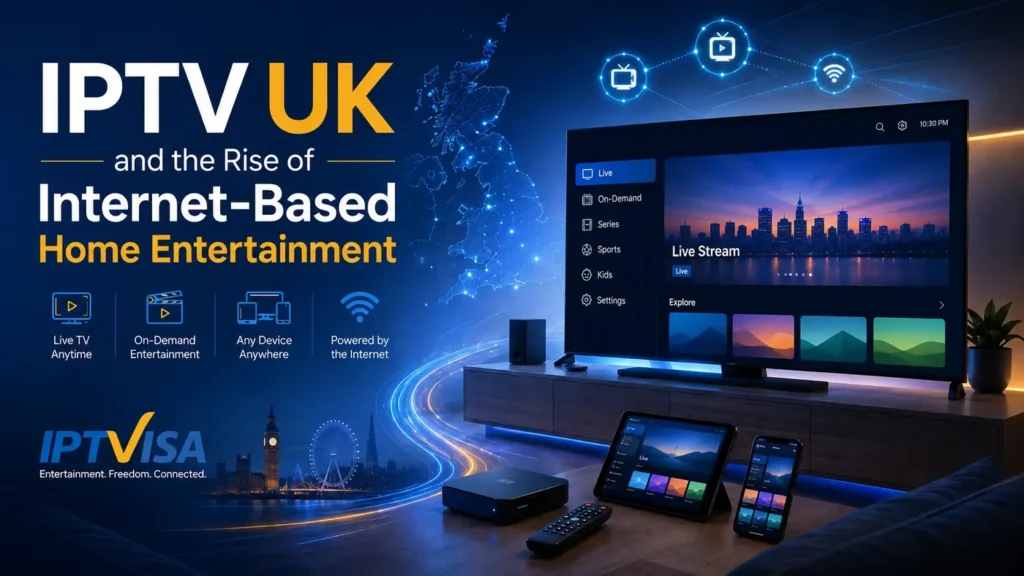
Home entertainment has changed quickly over the last few years. Many households no longer depend only on traditional television schedules, fixed cable packages, or one screen in the living room. Today, viewers want more flexibility, better device compatibility, and easier access to digital entertainment from smart TVs, phones, tablets, laptops, and streaming devices.
This is where IPTV UK has become an important part of the modern viewing conversation. Instead of relying only on old broadcast methods, internet-based TV allows viewers to access content through a broadband connection and compatible devices. For many UK households, this shift reflects a wider change in how people watch, choose, and manage entertainment at home.
At Techno Blogg , we often look at how streaming technology is shaping everyday digital habits. IPTV UK is one of the areas that shows this change clearly, especially as more homes use smart TVs and connected devices as part of their regular entertainment setup.
What Does IPTV UK Mean for Modern Viewers?
IPTV stands for Internet Protocol Television. In simple terms, it means television content delivered through an internet connection rather than through traditional satellite, cable, or terrestrial broadcast systems. IPTV UK refers to the growing interest in internet-based television solutions among viewers in the United Kingdom.
The appeal is easy to understand. Many people want entertainment that fits around their schedule rather than forcing them to follow fixed broadcast times. They also want to watch across different devices, move between rooms, and access content through apps or platforms that feel familiar.
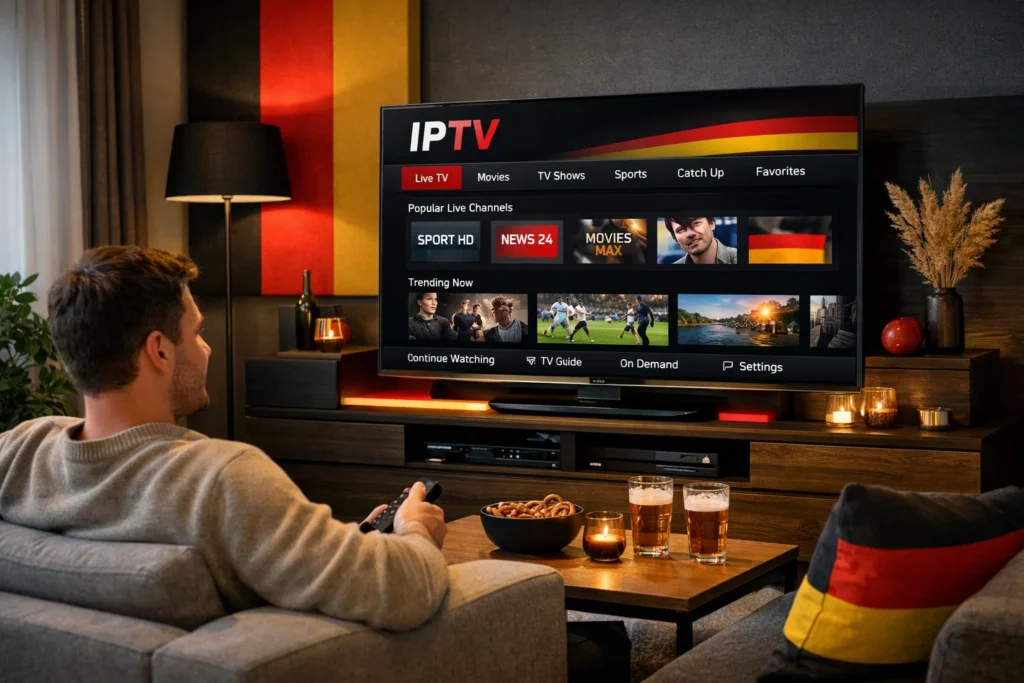
For modern viewers, IPTV UK is not just about watching television online. It is about control, flexibility, and convenience. A household may use a smart TV in the living room, a tablet in the kitchen, and a mobile phone while travelling. This multi-device environment has changed what people expect from home entertainment.
Internet-based viewing also reflects how digital habits have evolved. People are already used to streaming music, using cloud services, watching short-form videos, and accessing apps on demand. IPTV fits naturally into that wider digital lifestyle.
Why Internet-Based TV Is Growing in UK Homes
One of the main reasons IPTV UK is growing is the improvement of home broadband. Faster and more stable internet connections have made streaming more practical for everyday use. When a household has reliable internet, it becomes easier to enjoy video content without depending only on traditional TV infrastructure.
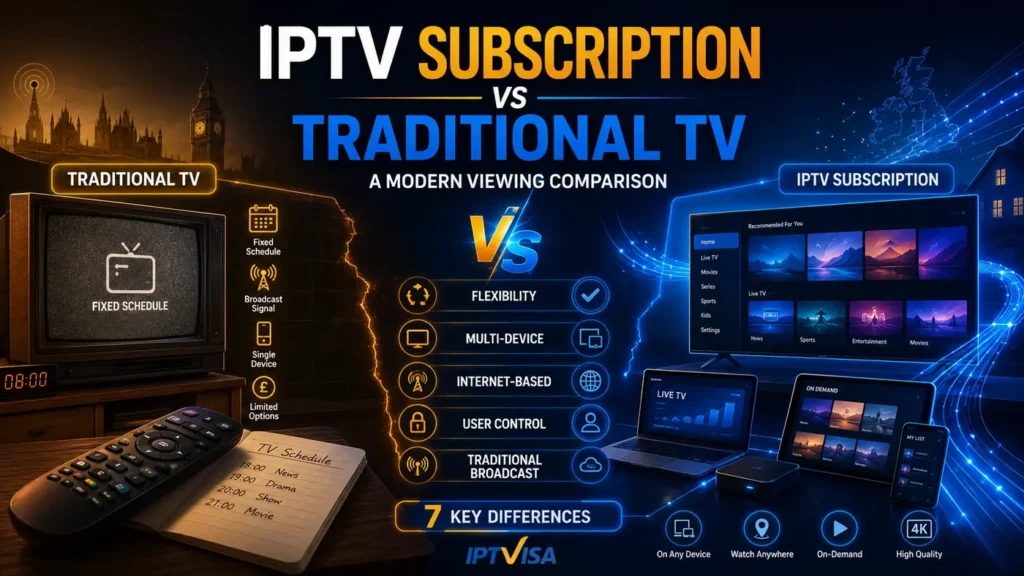
Another reason is flexibility. Traditional TV packages often come with fixed schedules and limited viewing options. Internet-based TV gives users more control over when and where they watch. This does not mean every service is the same, but it does show why viewers are attracted to more adaptable entertainment models.
The rise of smart TVs has also played a major role. Many modern televisions already come with built-in apps, Wi-Fi connectivity, and simple interfaces. This makes it easier for users to explore online entertainment without needing complicated technical knowledge.
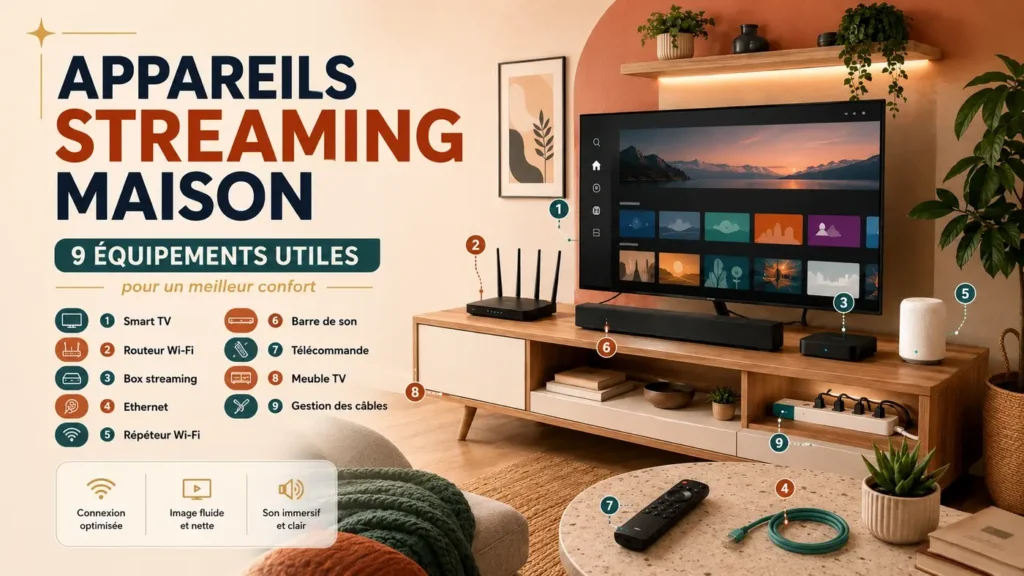
Connected devices have made the experience even more accessible. Streaming sticks, Android TV boxes, tablets, and smartphones all allow households to watch content in different ways. As a result, IPTV UK has become part of a broader shift toward connected home entertainment.
How Smart TVs Changed the Viewing Experience
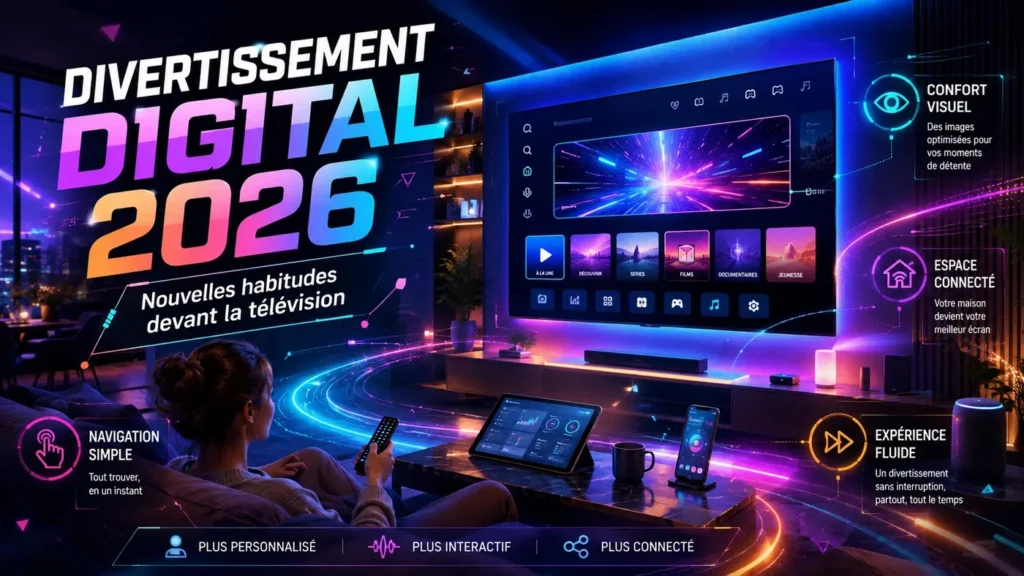
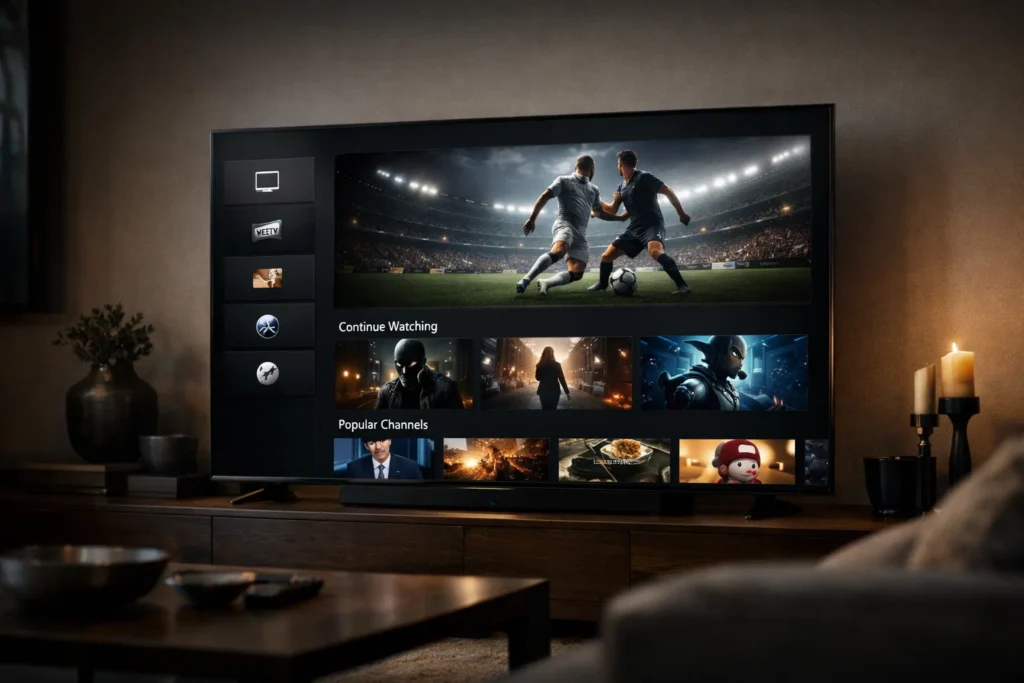
Smart TVs have transformed the living room. In the past, a television was mainly a screen connected to an aerial, satellite receiver, or cable box. Now, the TV itself can connect to the internet, install apps, and work as a complete entertainment hub.
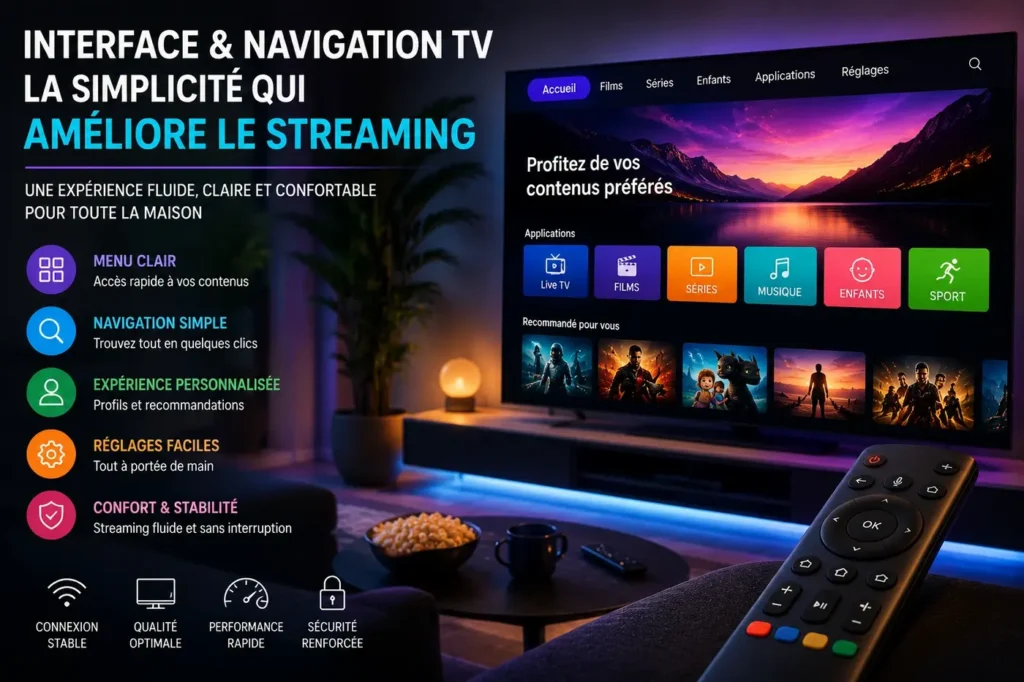
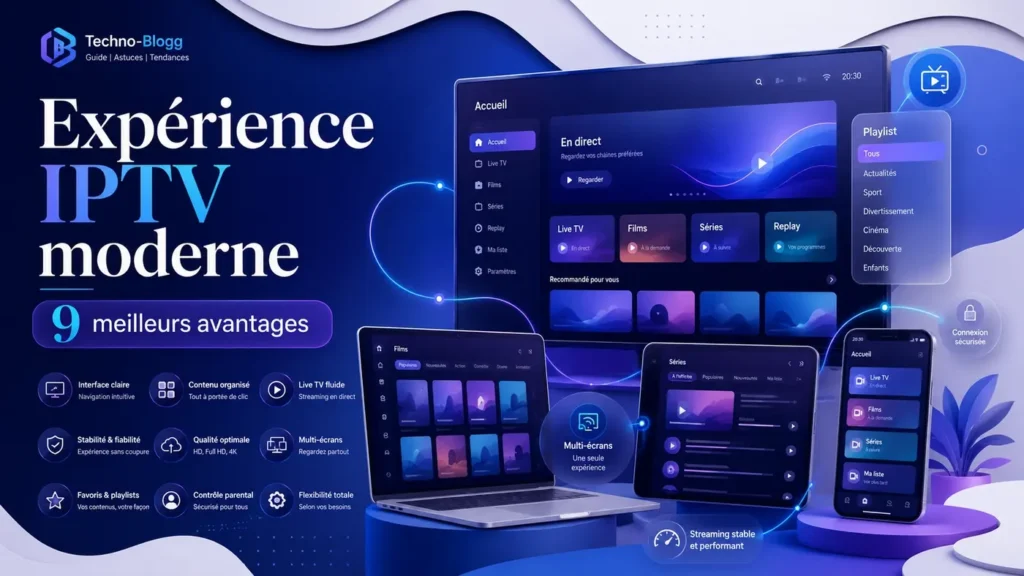
This matters because IPTV UK depends heavily on device accessibility. When users can open an app, browse content, and start watching from the same screen, the experience becomes simple and familiar. A clean interface, smooth navigation, and stable playback all contribute to better home entertainment.
Smart TVs also reduce the need for extra equipment. While some users still prefer external devices, many households enjoy the convenience of using built-in apps. This makes internet-based TV feel less technical and more mainstream.
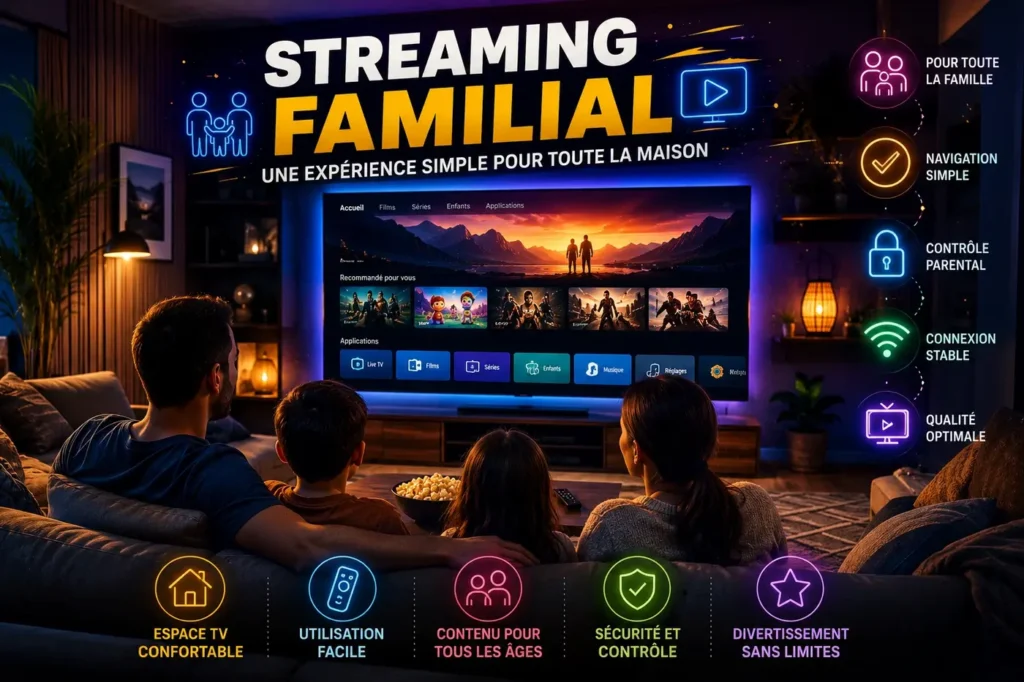
The smart TV experience has also changed family viewing habits. One person may watch live content in the living room while another uses a mobile device for on-demand entertainment elsewhere in the home. This flexibility is one reason IPTV UK continues to attract attention among modern viewers.
The Role of Connected Devices in Home Entertainment
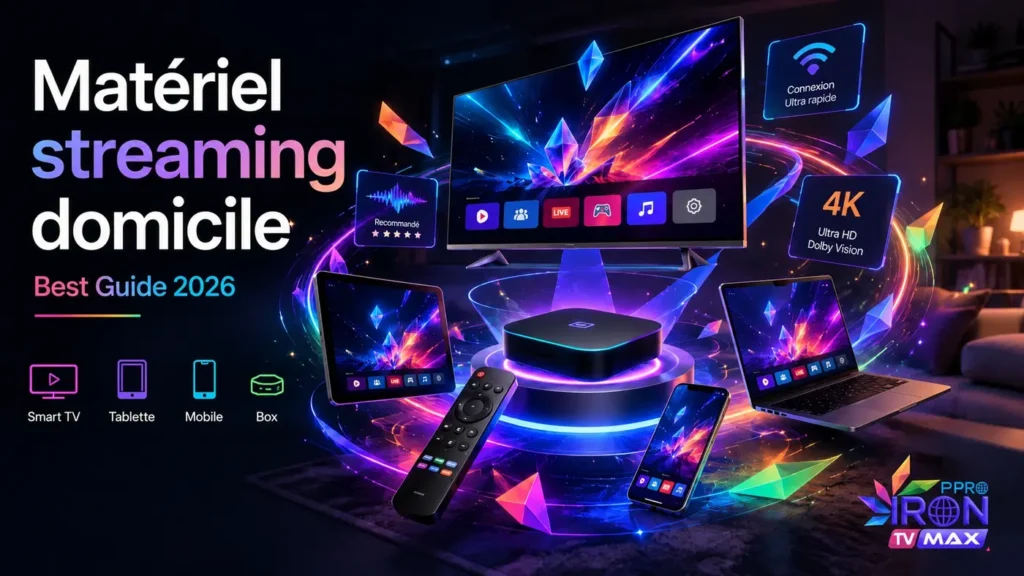
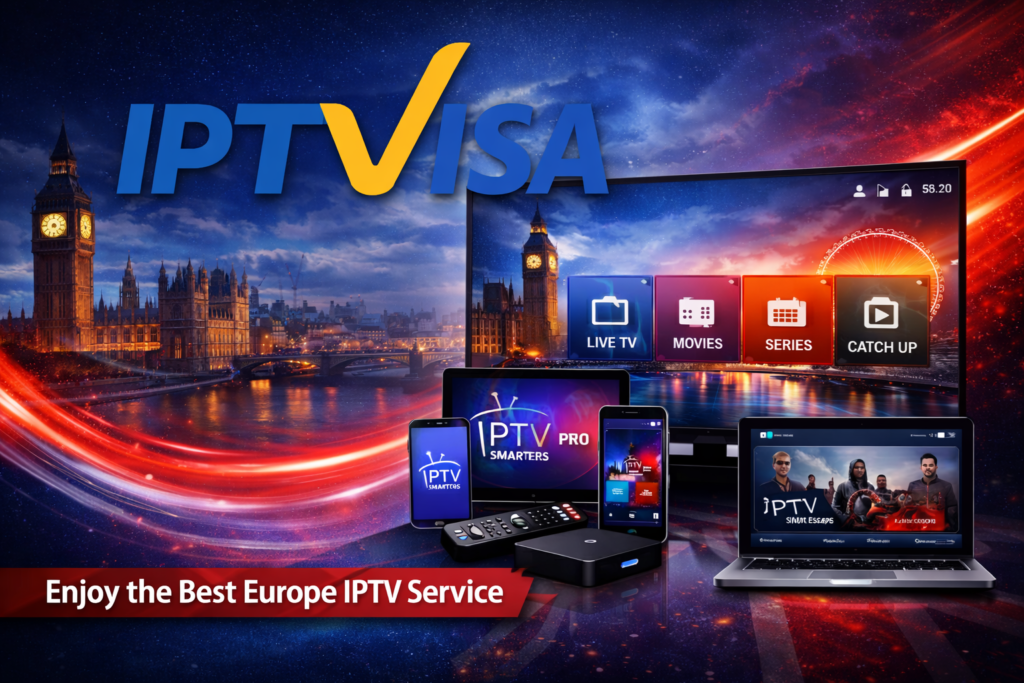
Home entertainment is no longer limited to one television. Connected devices have created a more flexible viewing environment. Smartphones, tablets, laptops, streaming sticks, and Android-based devices all help users access internet-based entertainment in different situations.
This is important for IPTV UK because device compatibility is one of the biggest factors in user satisfaction. A good viewing experience should not depend on only one screen. Users often expect to move between devices without feeling restricted.
For example, someone may start watching on a smart TV and later continue on a tablet. Another user may prefer a streaming device because it gives them a familiar remote control and app layout. Others may use mobile devices when travelling or away from the main television.
This multi-device behaviour is now normal. It reflects how people use technology in daily life. Entertainment has become portable, flexible, and more personal. IPTV UK fits into this pattern because it is built around internet access and connected screens.
Flexible Viewing Habits and On-Demand Access
One of the biggest changes in home entertainment is the move away from fixed viewing schedules. Viewers now expect more control over what they watch and when they watch it. On-demand access has played a major role in this shift.
With internet-based TV, users are not always limited to a traditional programming timetable. Depending on the service and content type, they may access live channels, catch-up options, movies, series, or other digital media formats. This makes the viewing experience more flexible and more aligned with modern lifestyles.
IPTV UK also reflects the way households balance different entertainment needs. Some viewers still enjoy live television, especially for news, sports, and events. Others prefer on-demand content because it fits around work, family routines, and personal schedules.
This mix of live and on-demand viewing is one reason internet-based home entertainment is growing. It gives users more choice without forcing them into one viewing style. The result is a more personalised media experience.
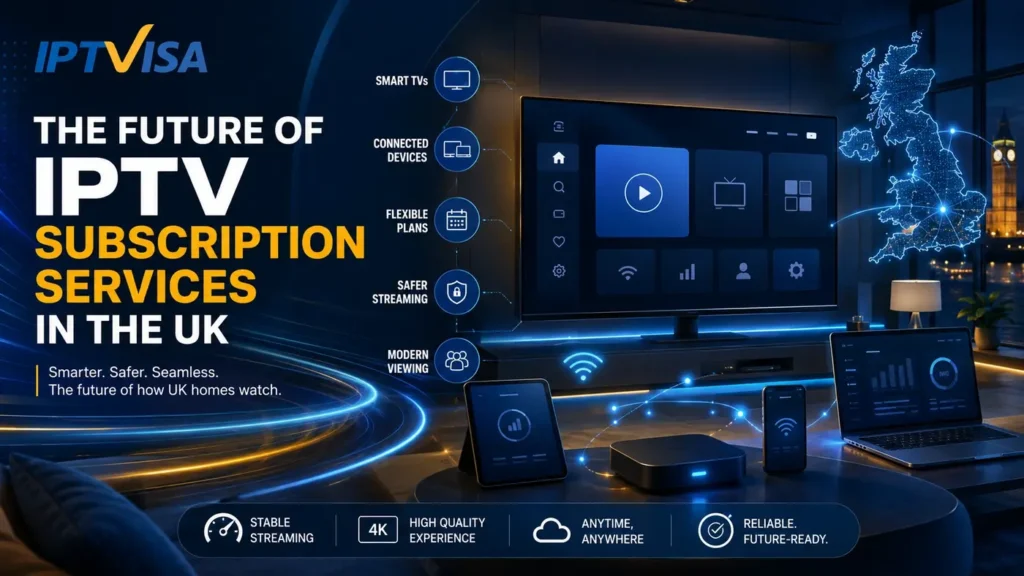
For readers who want a deeper look at where this market is heading, our upcoming guide on the future of IPTV subscription services in the UK will explore long-term trends, user expectations, and the role of streaming technology in the UK market.
Why Streaming Quality Matters for UK Households
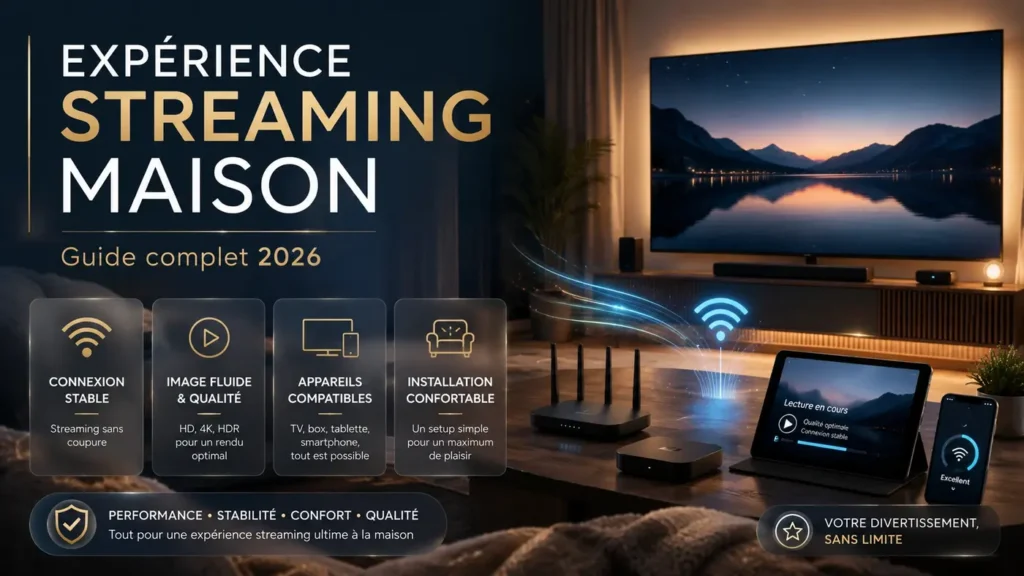
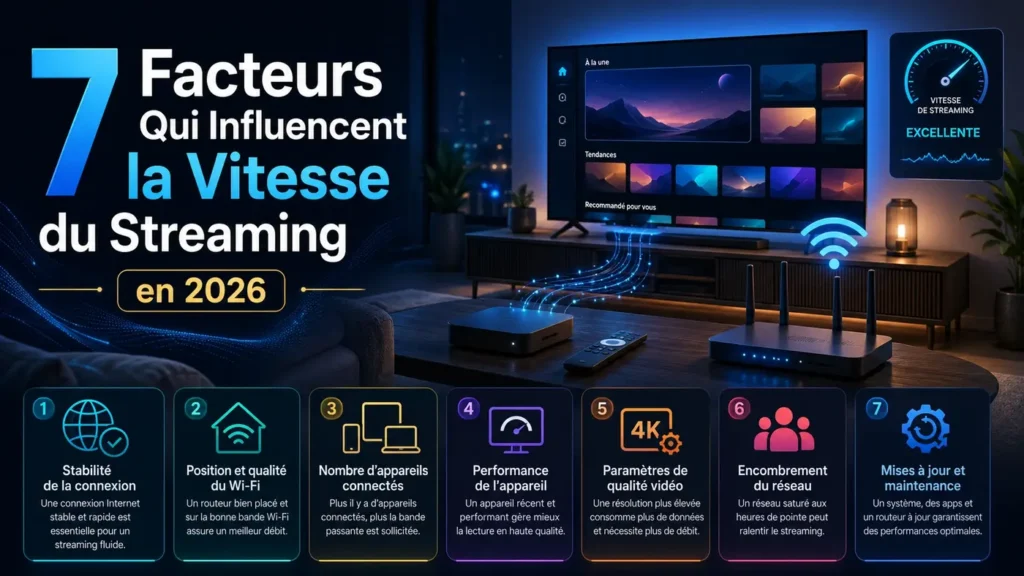
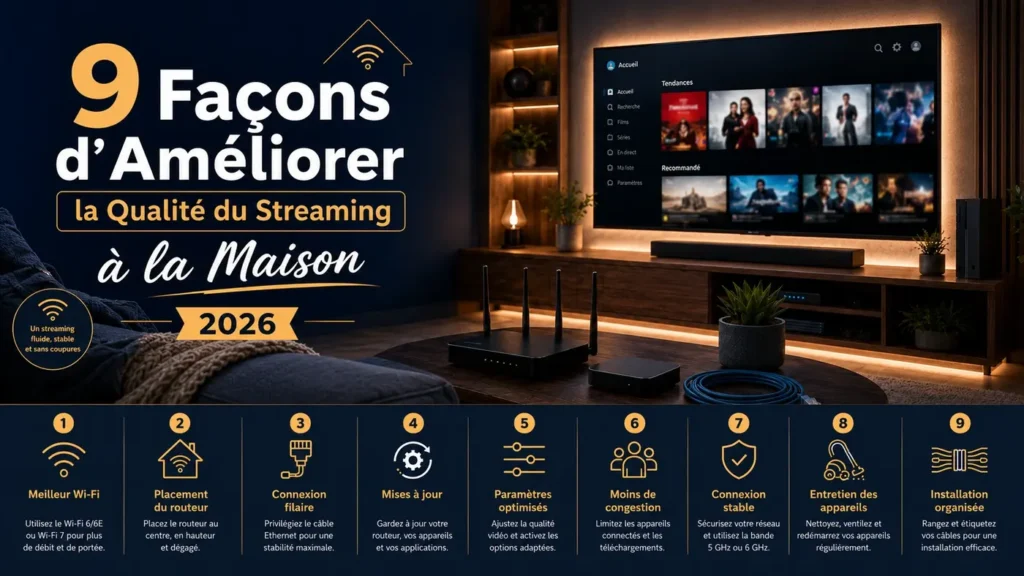
A good viewing experience depends on more than just content access. Streaming quality is one of the most important parts of internet-based home entertainment. Viewers expect smooth playback, clear picture quality, and minimal interruptions.
For IPTV UK users, this means internet speed, device performance, app stability, and service reliability all matter. Even a strong content library can feel frustrating if the stream buffers often or the interface is difficult to use.
Picture quality is another key factor. Many households now use large smart TVs, so low-quality streams are more noticeable than before. HD and 4K screens have raised expectations, and viewers want content that looks good on modern displays.
Sound quality also matters, especially for films, series, and live events. As more people invest in soundbars and home cinema systems, the overall entertainment experience becomes more important.
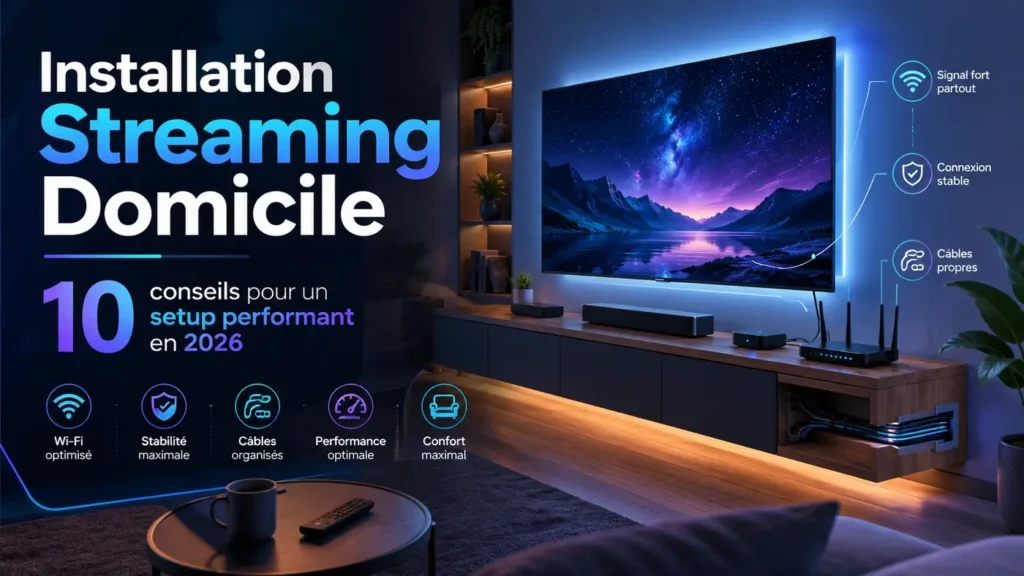
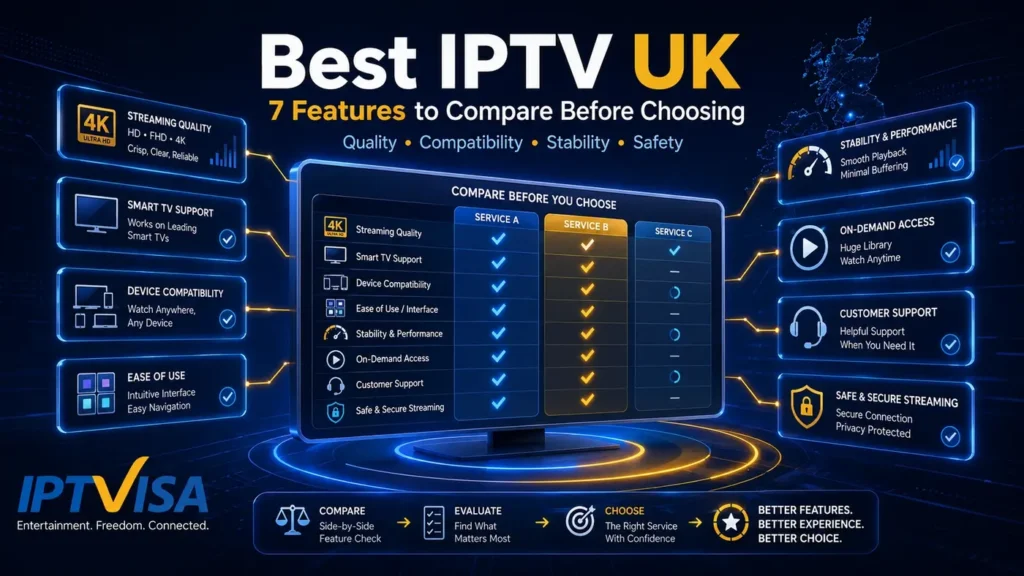
This is why users should look beyond basic access and think about the complete viewing setup. Device compatibility, internet speed, and streaming stability all contribute to a better experience. In another article, we explain how to compare streaming features before choosing an IPTV service so users can understand what matters before making a decision.
Understanding Streaming Television as a Technology
The rise of IPTV UK is part of a wider movement toward streaming television. Instead of receiving content only through traditional broadcast signals, streaming allows video to be delivered over the internet. This has changed how media companies, platforms, and users think about television.
For a general explanation of the concept, the Wikipedia page on streaming television gives a useful overview of how television content can be distributed through internet-based systems.
This technology has become familiar because people already use streaming in many parts of their digital lives. Music platforms, video apps, online courses, social media clips, and cloud gaming all rely on similar ideas: content is delivered through the internet when the user requests it.
For home entertainment, this creates new possibilities. Services can offer flexible interfaces, personalised recommendations, multi-device access, and different content formats. IPTV UK is one example of how this technology is being used in a television context.
Safe and Responsible Streaming Awareness
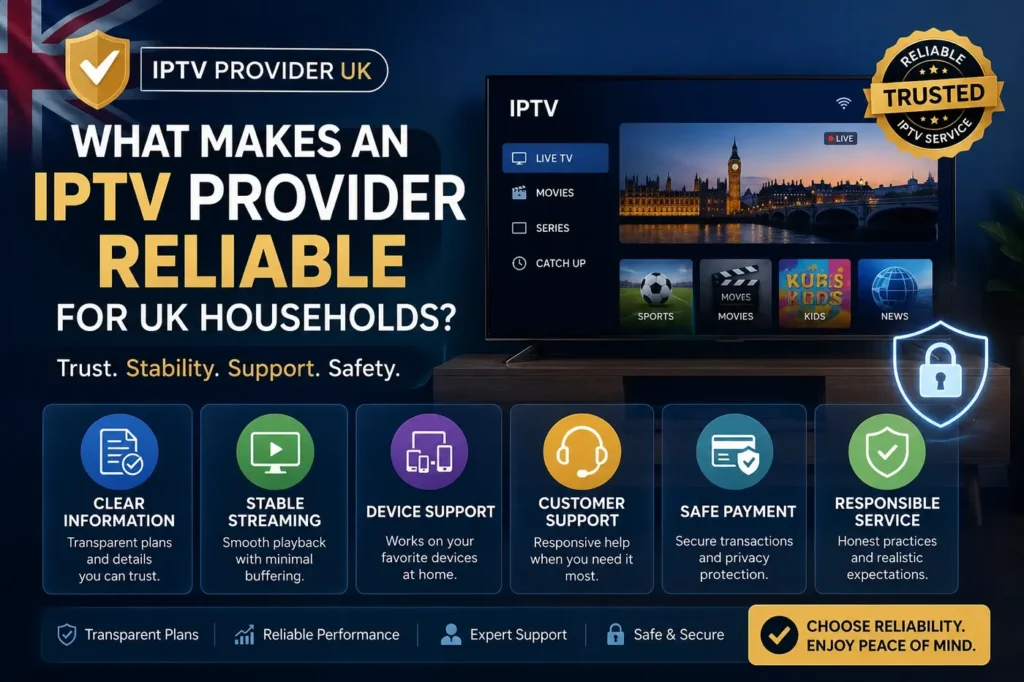
As internet-based entertainment grows, users also need to think about safe and responsible streaming. Not every online service operates in the same way, and not every offer is worth trusting. Viewers should always look for transparency, clear service information, reliable support, and responsible content access.
A safe IPTV UK experience should focus on stability, compatibility, and legitimate viewing habits. Users should avoid suspicious offers that promise unrealistic access, unclear content sources, or services that do not provide proper information about what they offer.
Responsible streaming also means protecting personal data. Users should be careful when entering payment details, creating accounts, or downloading apps from unknown sources. A reliable service should make setup simple without asking users to take unnecessary risks.
This is especially important as more households connect multiple devices to the internet. Smart TVs, streaming boxes, phones, and tablets all form part of the home network. Choosing trustworthy apps and services helps protect both the viewing experience and the devices themselves.
IPTV UK can be part of a modern entertainment setup, but users should approach it with the same caution they would apply to any online service. Clear information, secure access, and responsible use should always come first.
How IPTV Fits into the Future of Home Entertainment
The future of home entertainment is likely to be more connected, more flexible, and more user-focused. Traditional TV will not disappear overnight, but viewer expectations are already changing. People want more control, better device support, and entertainment that fits into their daily routines.
IPTV UK is part of this future because it matches these expectations. It works with connected devices, supports flexible viewing habits, and reflects the move toward internet-based media consumption.
Smart TVs will continue to improve, broadband speeds will become more important, and households will expect smoother streaming experiences. At the same time, users will become more selective. They will compare services based on quality, support, reliability, and ease of use.
This means the best internet-based entertainment experiences will not be defined only by content volume. They will be defined by how well the service works in real life. A simple setup, stable performance, helpful support, and clear information can make a major difference.
For viewers exploring modern digital entertainment options, IPTV UK can be part of a broader shift toward flexible, internet-based viewing when approached carefully and responsibly.
FAQ
What is IPTV UK?
IPTV UK refers to internet-based television services and viewing options used by people in the United Kingdom. Instead of relying only on traditional broadcast methods, IPTV uses an internet connection and compatible devices to deliver television-style entertainment.
Why is IPTV UK becoming popular?
IPTV UK is becoming popular because many viewers want flexible entertainment. Smart TVs, streaming devices, faster broadband, and on-demand habits have made internet-based viewing easier for modern households.
Do I need a smart TV to use IPTV?
A smart TV can make the experience easier, but it is not always the only option. Many users also rely on streaming devices, Android boxes, tablets, smartphones, or laptops, depending on the service and device compatibility.
What should users check before choosing an IPTV service?
Users should check streaming stability, device support, clear subscription information, customer support, and safe access practices. A reliable experience should be easy to use, transparent, and compatible with the devices used at home.
Is IPTV only for live TV?
No. IPTV can include different types of internet-based viewing, such as live TV, on-demand content, catch-up options, and other digital media formats. The exact features depend on the service being used.
Final Thoughts
IPTV UK has become an important topic because home entertainment is no longer limited to traditional TV schedules or one fixed screen. Viewers now use smart TVs, streaming devices, smartphones, and tablets to enjoy content in a more flexible way.
The growth of internet-based TV reflects a wider change in digital habits. UK households want convenience, quality, and control. They want entertainment that works across devices and fits around their lifestyle.
At the same time, users should stay aware of safety, reliability, and responsible streaming practices. A good viewing experience is not only about access; it is also about trust, stability, and clear information.
As smart homes and connected devices continue to grow, IPTV UK will remain part of the conversation around the future of home entertainment. For users, the key is to understand the technology, compare features carefully, and choose services that support a reliable and responsible digital viewing experience.



































































































































 English